
Alghero Dolphin Watching
Wildlife Guide

Are There Dolphins in Sardinia

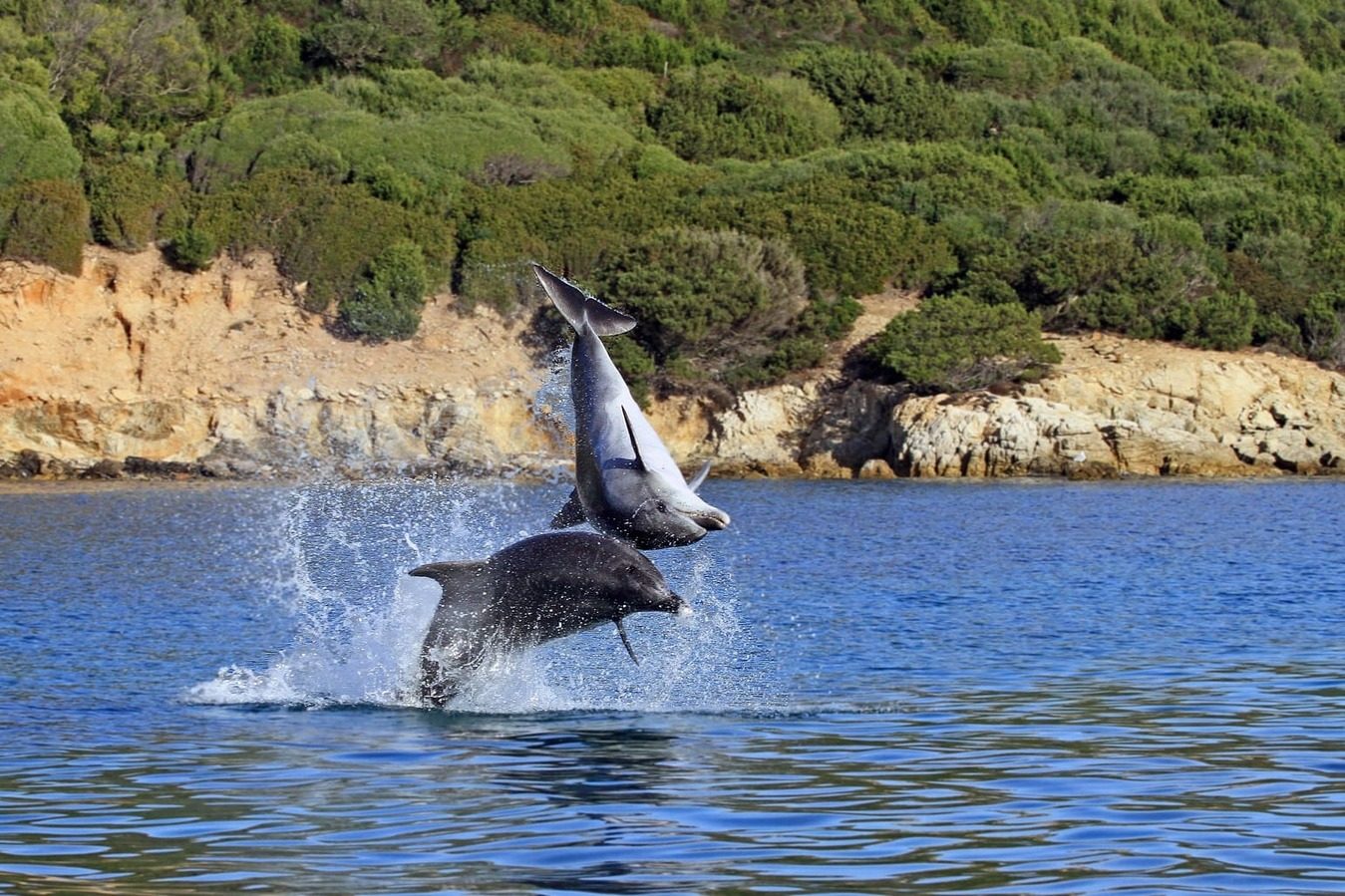
Alghero's coastline sits at the edge of the Capo Caccia–Isola Piana marine protected area, one of the most reliable locations in the Mediterranean for dolphin encounters. The bottlenose dolphin population here is resident year-round, with sightings documented in every season. This guide covers the species present, the factors that affect visibility, and what shapes a successful outing.

9 min read Updated 2026-08-19 Fact-checked
Are There Dolphins in Sardinia

Quick answer

Yes, there are dolphins in Sardinia. Alghero's waters host a stable population of bottlenose dolphins that remain in the area throughout the year. The marine reserve off Capo Caccia provides the habitat and prey density that support resident pods, with sighting rates consistently above 70 percent during optimal conditions. Summer and early autumn offer the highest visibility due to calm seas and increased surface activity.

The bottlenose dolphin is the only cetacean species reliably resident in the coastal waters around Alghero. These dolphins range between the headlands of Capo Caccia and Porto Conte, hunting in the deeper channels where the seabed drops sharply and prey fish concentrate. The population has been the subject of long-term monitoring by regional marine institutes, and photo-identification studies confirm that many individuals return to the same feeding grounds across multiple years. Are there dolphins in Sardinia outside of Alghero? Yes, but distribution varies. Striped dolphins and occasional Risso's dolphins pass through deeper offshore zones, yet the bottlenose population remains the most accessible for coastal observation. The protected status of the marine area limits boat traffic and preserves the acoustic environment that dolphins depend on for echolocation and social communication. Entry to the reserve is free, and observation follows a voluntary code managed by local environmental authorities. Weather and sea state determine whether dolphins surface in predictable patterns or remain submerged for extended intervals. Morning hours between nine and one typically coincide with feeding periods when pods move inshore and surface behavior becomes more visible. Wind above fifteen knots churns the water column and scatters baitfish, reducing both dolphin activity at the surface and the observer's ability to detect dorsal fins at range. The shallow embayment of Porto Conte acts as a natural amphitheater during settled conditions, funneling sound and allowing cetacean breaths to be heard before the animals are seen. Seasonal variation in sighting frequency follows prey availability rather than migration. Sardine and anchovy schools peak in density from late spring through September, drawing dolphins closer to shore and sustaining longer surface intervals. Winter sightings still occur but require greater patience and often involve solitary individuals or small foraging groups rather than the larger pods observed in warmer months. The question of whether dolphins inhabit Sardinian waters year-round is answered by decades of local records and the persistence of identifiable individuals across all seasons.

“The bottlenose population here is resident year-round, with sighting rates consistently above 70 percent during optimal conditions.”
Timing

Optimal Sea Conditions: Are There Dolphins in Sardinia

The prime window for spotting dolphins in the Gulf of Alghero is between spring and autumn, specifically during the calmer morning hours of 09:00–13:00 when sea conditions yield an 80% sighting probability.

Spring (April to May)

Low visitor volumes.

Mild, averages of 14°C to 18°C.

Calmer sea conditions and fewer boats create an optimal environment for spotting dolphins near the coast.

Summer (June to August)

Peak holiday crowds.

Hot and dry, highs near 29°C.

Early morning departures are essential to avoid heavy boat traffic and midday heat. Tours during these months often include a snorkeling stop in the marine protected area.

Autumn (September to October)

Moderate to low crowds.

Warm, averages of 19°C to 22°C.

Sea temperatures remain warm, and boat traffic decreases significantly. Dolphins are frequently seen close to the Capo Caccia cliffs during these quieter days.

Morning Window (09:00–13:00)

Moderate.

Calmer morning waters offer the best visibility and a high probability of finding dolphin groups. This matches the recommended arrival window for optimal sightings.

Verdict: Plan your excursion for a weekday morning between 09:00 and 13:00 in either May or September for the calmest sea conditions, high sighting rates, and mild temperatures.

Facts

Scientific Research and Marine Life: Are There Dolphins in Sardinia

The coastal waters of Alghero serve as an active natural laboratory for marine biologists studying Mediterranean bottlenose dolphins. Through non-invasive research, scientists track the behaviors and communication of these local marine mammals.

1.

80 to 120 resident dolphins

The Gulf of Alghero hosts a stable local population of about 80 to 120 bottlenose dolphins. Researchers estimate that at least 50 percent of these individuals are year-round residents.

2.

2012 marked the monitoring project launch

The non-profit organization MareTerra Environmental Research and Conservation has tracked this dolphin population since 2012. Their research helps map habitat use and analyze how human activity impacts the animals.

3.

1 unique dorsal fin identifies each dolphin

Scientists use photo-identification to distinguish individual dolphins by cataloging the unique nicks, scars, and shapes of their dorsal fins. This non-invasive method allows researchers to track individual health and social structures.

4.

2 institutions collaborate on bioacoustic studies

MareTerra and the University of Sassari collaborate to study local marine mammal communication. They use underwater hydrophones to record signature whistles and analyze how the pods interact.

5.

1 acoustic shift occurs around trawlers

Scientific studies show that Alghero's dolphins alter the frequency of their whistles when foraging near commercial fishing trawlers. This acoustic adaptation helps them communicate over loud vessel engines.

6.

30 to 60 square kilometers of habitat

Spatial modeling indicates that the preferred habitat for these dolphins covers a relatively small coastal zone. Groups with calves occupy even tighter ranges, increasing their exposure to recreational boat traffic.

Etiquette

Responsible Wildlife Encounters: Are There Dolphins in Sardinia

Dolphin watching in Sardinian waters requires adherence to marine wildlife protection protocols. Responsible observation ensures minimal disturbance to resident bottlenose dolphins and their habitat.

Do

  • Book with eco-certified operators that follow low-speed navigation protocols
  • Maintain a minimum 100-meter distance from dolphin pods at all times
  • Keep noise levels low and avoid sudden movements on deck
  • Respect the captain's instructions regarding observation zones and duration
  • Support boats that contribute to marine conservation and research efforts

Don't

  • Feed dolphins or attempt to swim with wild animals
  • Choose operators that chase pods or exceed safe approach distances
  • Litter or discharge waste into marine protected waters
  • Use flash photography or drones that may startle marine mammals
  • Book tours that promise guaranteed sightings or physical contact
Directions

Traveling to Alghero: Where in Sardinia Can You See Dolphins

The research and departure point for dolphin watching is located within the Porto Conte Regional Natural Park at Strada Provinciale 55, n. 44, Tramariglio, 07041 Alghero SS, Italy. Visitors typically reach this area via private vehicle or pre-arranged transport from the Alghero port.

Car 30 min

SP55 towards Tramariglio

Bus 45 min

ARST line 9321 from Alghero to Tramariglio

Boat Variable

Departure from Alghero Port

The best arrival window is 09:00–13:00, as calmer morning waters provide the best conditions for spotting dolphins. Note that entry to the park office area is 0 EUR (Free entry).

Nearby

Natural Wonders Near Alghero's Dolphin Habitats

Pair your dolphin-watching excursion with a visit to the surrounding land and marine reserves of the Porto Conte Regional Park. These nearby geologic formations, hiking trails, and sheltered coves are easily reachable within minutes of the Tramariglio visitor center.

Neptune's Grotto

Neptune's Grotto

10 min drive

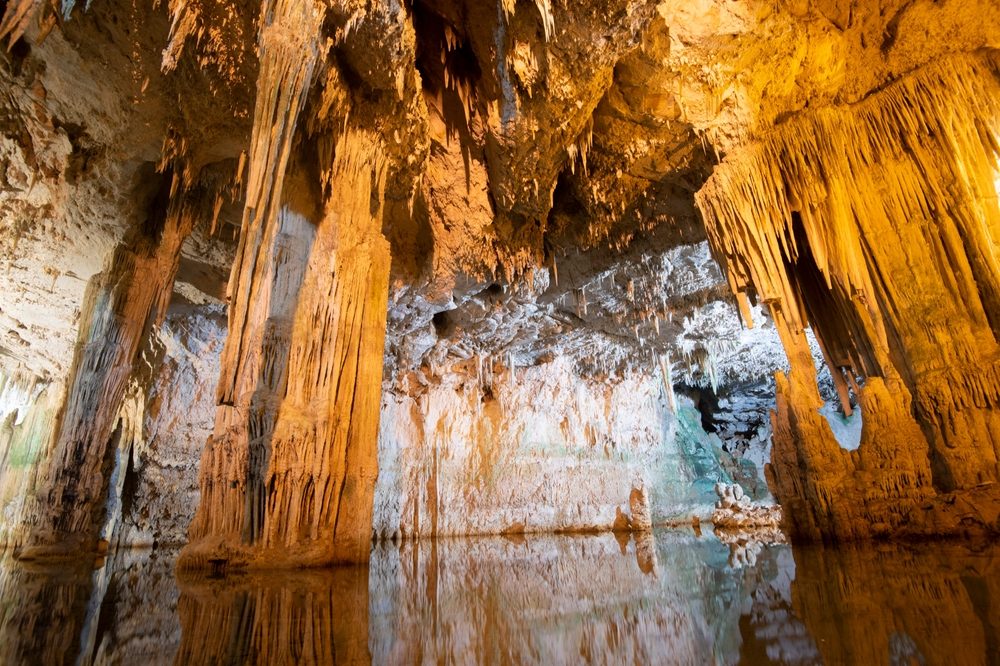
Follow the road to the tip of Capo Caccia and descend the 654 steps of the Escala del Cabirol to tour this marine cave system. The cavern sits at sea level and contains a large saltwater lake flanked by massive limestone columns.
Cala Dragunara

Cala Dragunara

5 min drive

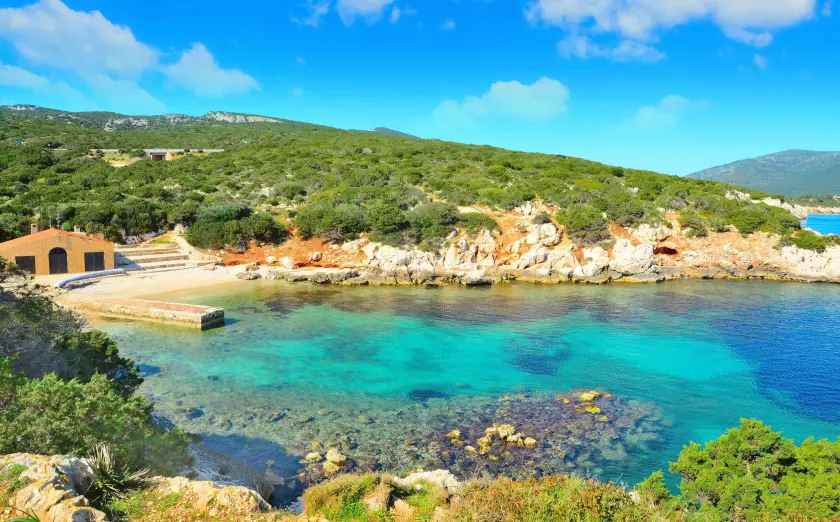
This sheltered cove features a small sandy beach and calm, clear waters that make it a popular spot for snorkeling and swimming. It provides a peaceful retreat to relax after spending a morning out on the open sea looking for dolphins.

Le Prigionette Nature Reserve

Le Prigionette Nature Reserve

5 min drive

Explore the network of dirt tracks in this protected state forest, either on foot or by renting an electric bicycle. The reserve protects rare flora and fauna, allowing visitors to glimpse Giara ponies, wild boars, and nesting griffon vultures.

Checklist

Excursion Checklist: Spotting Dolphins in Alghero

Pack light and layer up — morning winds can be brisk even in summer, and the right gear makes spotting easier.

Book

Check availability

Frequently asked

Common questions about are there dolphins in sardinia

Everything you need to know about are there dolphins in sardinia

Are there dolphins in sardinia near Alghero?

Yes, the waters surrounding Alghero are part of a protected marine area where these cetaceans are frequently observed. Many visitors ask are there dolphins in sardinia to plan their wildlife encounters within this habitat.

Can I book a boat tour for spotting?

You can arrange local excursions through authorized operators who navigate the marine park. When researching are there dolphins in sardinia, it is helpful to look for providers that prioritize ecological guidelines.

What is the best time to see dolphins?

The best arrival window is 09:00–13:00, as calmer morning waters provide the best conditions for spotting. Visitors often wonder are there dolphins in sardinia during specific times of day to improve their chances of a sighting.

Are there dolphins in sardinia throughout the year?

Sightings occur seasonally, typically influenced by sea conditions and migratory patterns in the Mediterranean. While nature is unpredictable, consistent monitoring helps researchers track local populations.

Is it free to visit the marine park area?

Entrance to the visitor center and park facilities is 0 EUR. This allows you to explore information about the ecosystem without an admission charge.

What should I bring for a wildlife excursion?

Bring sun protection, comfortable footwear, and a camera to capture the marine landscape. Ensure you follow local regulations to minimize your impact on the environment during your visit.

Are there dolphins in sardinia visible from the shore?

While the creatures occasionally venture closer to the coast, boat tours provide the highest probability of an encounter. Most people researching are there dolphins in sardinia find that dedicated trips are the most reliable method.

Is this activity suitable for children?

These excursions are generally suitable for families who enjoy nature and sea life. Please verify safety requirements and age policies directly with your chosen boat tour provider before finalizing your plans.

Keep reading

More guides & pages