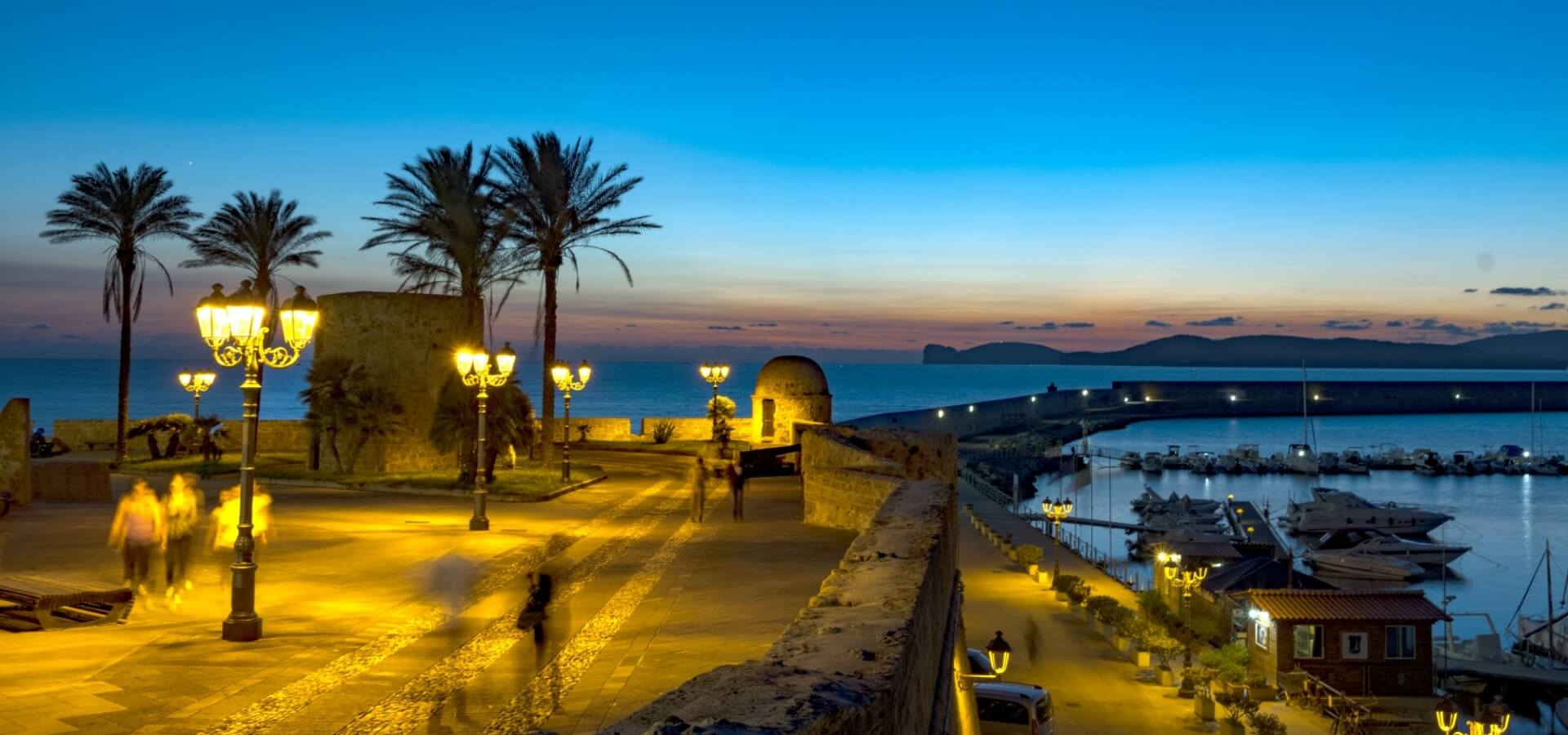
Bastioni Marco Polo
These elevated stone ramparts run along the western edge of the old town, facing the open sea. The defensive walls connect several towers and are lined with bronze cannons.
Walk here at sunset for views of the western peninsula.

Alghero sits on Sardinia's northwest coast, where medieval ramparts meet turquoise water and the local dialect still carries traces of Catalan rule. This page answers whether the town justifies a detour, what sets it apart from larger Sardinian ports, and what first-time visitors consistently underestimate.
Quick answer
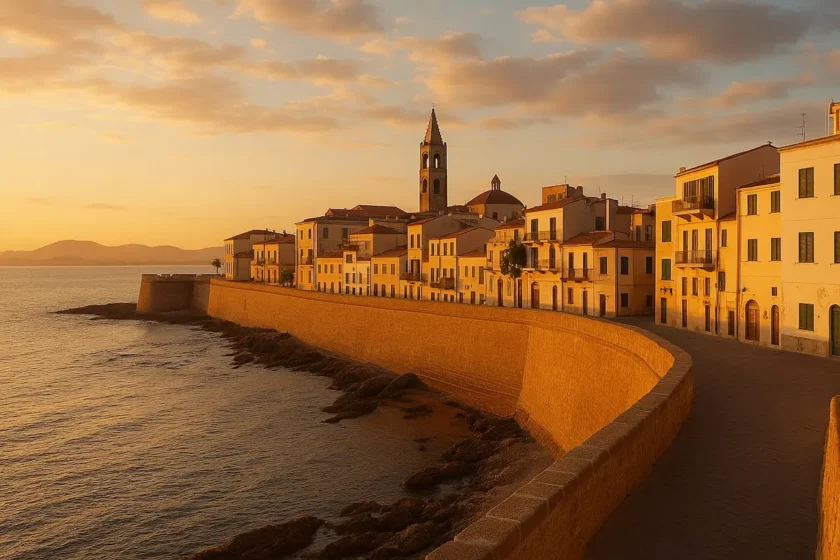
Yes, Alghero is worth visiting if you want a Sardinian coastal town with genuine character and minimal resort sprawl. The medieval center remains intact behind 16th-century bastions, the surrounding coast offers red coral diving and limestone cliffs, and the Catalan cultural layer — visible in street signs, cuisine, and architecture — creates a distinct identity absent in purely beach-focused destinations. Most visitors allocate two to three days.
Alghero is one of fewer than a dozen European towns where street signs are printed in two languages, neither of them recent immigrant additions. The second language is Catalan, a linguistic fossil from three centuries of Aragonese rule that ended in 1720 but never fully disappeared. That historical quirk shapes the answer to whether Alghero merits a visit. The town delivers what many travelers assume all of Sardinia offers but rarely find: a walkable medieval core, seafood restaurants where locals outnumber tourists in May and October, and beaches within cycling distance that don't require a car or a resort wristband. The bastions remain the best-preserved stretch of defensive walls on the island, and the evening passeggiata along their seaward ramparts at golden hour has become the town's signature ritual. Free to walk, open around the clock, and genuinely used by residents — not a set piece. Whether Alghero is worth visiting depends on what you're weighing it against. It won't rival the granite drama of the Costa Smeralda or the wild isolation of the Gennargentu interior, but it offers something increasingly scarce in Mediterranean coastal towns: a functional local economy that hasn't been entirely replaced by tourism. The fishermen still unload their catch at the port each morning. The churches hold services in Algherese, the local Catalan variant. The August crowds are real, but the town doesn't empty out in winter the way purpose-built resorts do. The coral coast around Capo Caccia provides the natural counterweight to the historic center — limestone cliffs, cave systems accessible by boat, and diving sites where red coral still grows at recreational depths. Neptune's Grotto draws day-trippers, but the coastal trails and smaller coves see lighter traffic. Visiting Alghero makes sense if your Sardinian itinerary includes at least one place where the culture precedes the tourism infrastructure, and where the rhythm of the day isn't dictated by check-in times and buffet service windows.
“The bastions remain the best-preserved stretch of defensive walls on the island, and the evening passeggiata along their seaward ramparts at golden hour has become the town's signature ritual.”
The optimal time to visit Alghero is during the shoulder seasons of spring and autumn, particularly from May to June and September to October. These months offer comfortable temperatures for walking the historic walls without the dense summer crowds.
Mild temperatures averaging 14°C to 21°C
This period offers comfortable conditions for walking through the historic center. Spring blooms are active and sea breezes keep the afternoons cool.
Hot and dry, up to 30°C
July and August see high tourist volumes and full hotels. Plan outdoor exploration for early morning or late afternoon to avoid the midday sun.
Warm sea and air, 19°C-25°C
September remains warm enough for swimming, while October brings quieter streets. Many local shops remain open before the winter slowdown.
—
Arriving during this window allows visitors to enjoy cooler evening temperatures and sunset views along the historic bastions.
Verdict: Late afternoon from 16:00 to 20:00 during May, June, or September.
Alghero combines its Catalan-Gothic architectural heritage with rugged coastal landscapes. The historical center features fortified sea walls, ancient bell towers, and geological formations along the bay.
These elevated stone ramparts run along the western edge of the old town, facing the open sea. The defensive walls connect several towers and are lined with bronze cannons.
Walk here at sunset for views of the western peninsula.
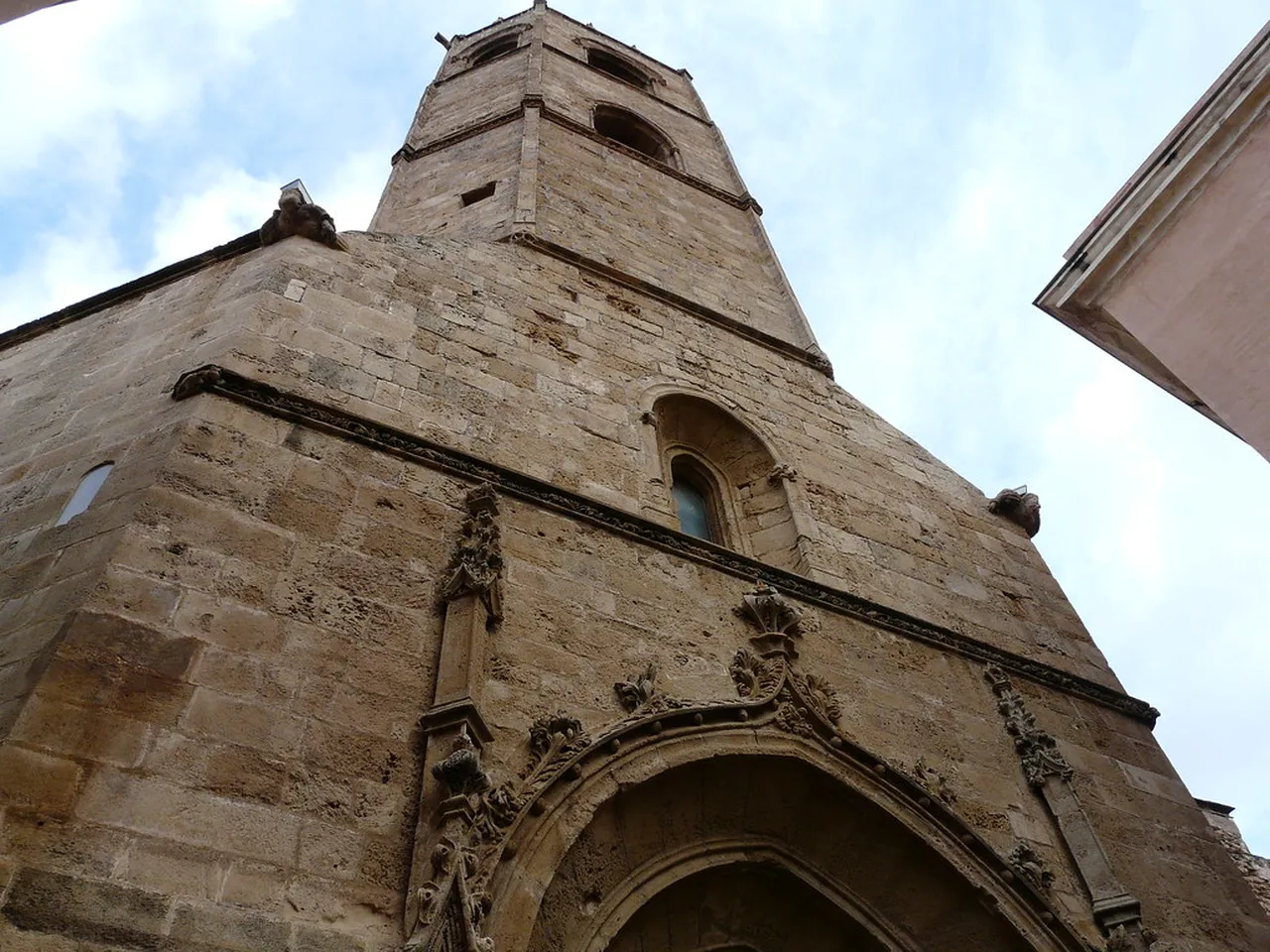
Located in the heart of the old town, this church exhibits a blend of Catalan-Gothic architecture and Renaissance details. Its soaring octagonal bell tower serves as a landmark visible across the bay.
Climb the narrow bell tower steps for harbor panoramas.
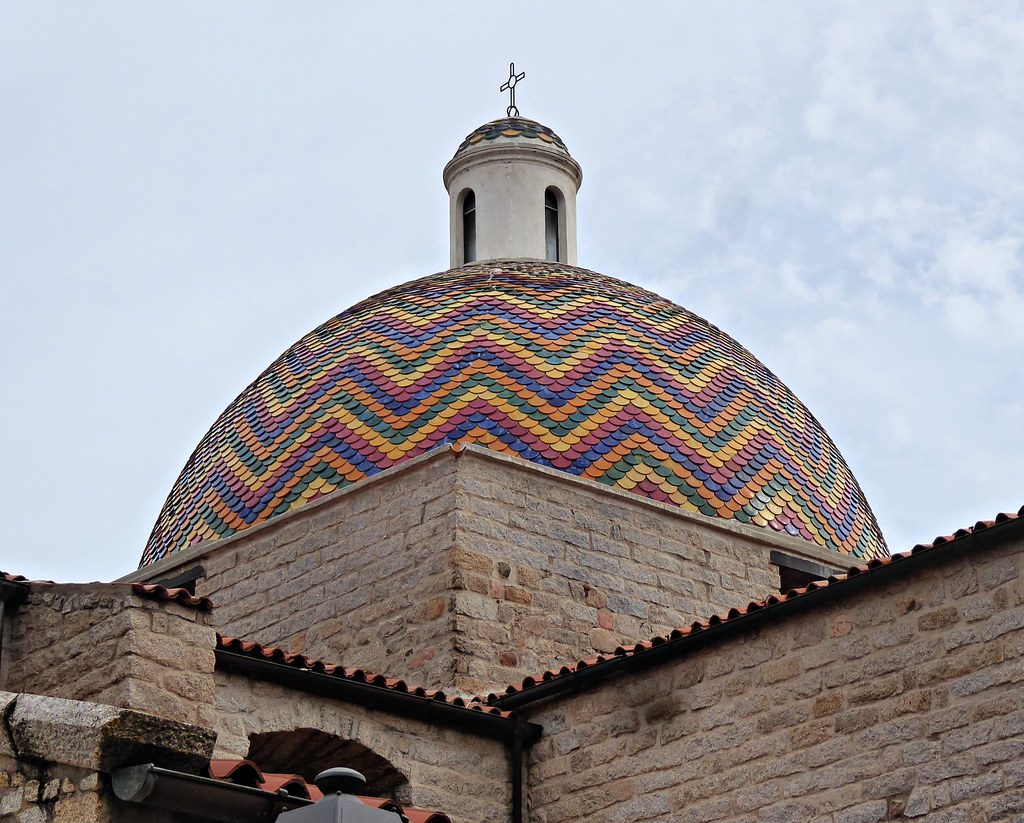
This Jesuit church stands out due to its octagonal dome clad in colorful majolica tiles. The interior houses Baroque artwork, altars, and statues of the patron saint.
Stand on Via Carlo Alberto to photograph the tiled dome.
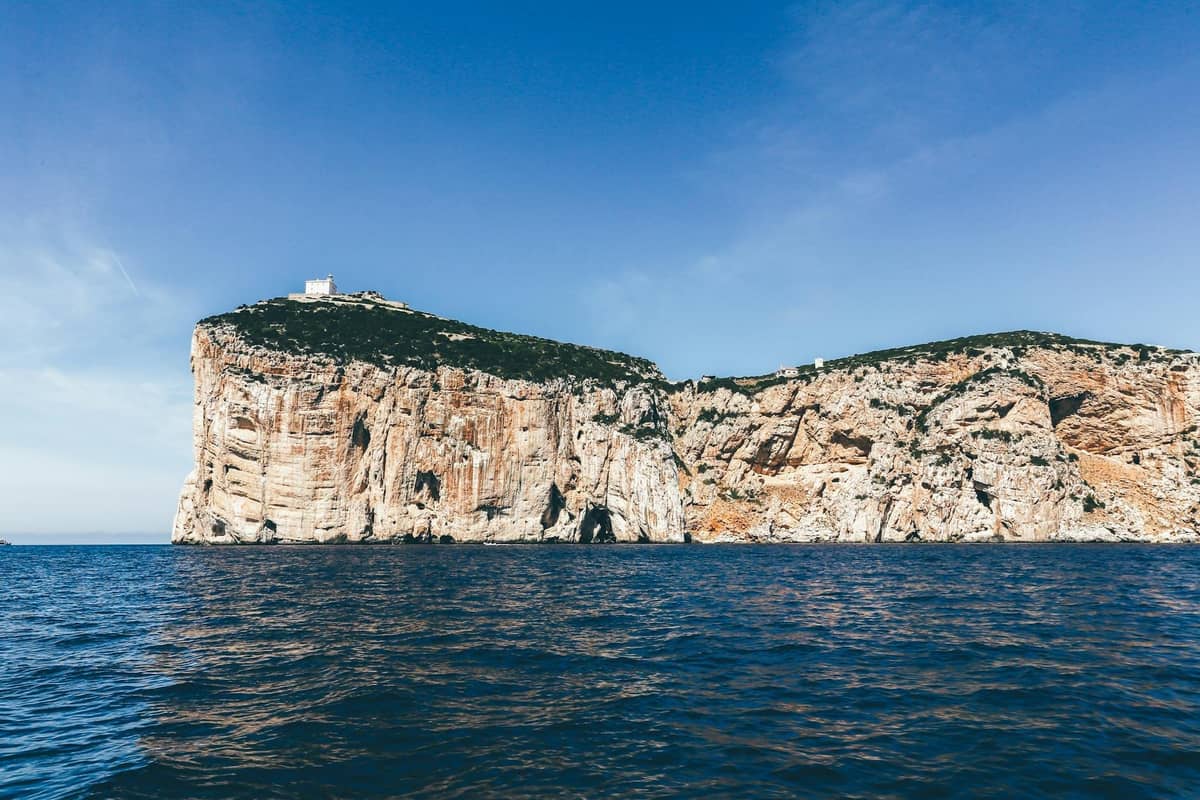
A massive limestone promontory that shelters the bay of Alghero and forms a protected marine reserve. The sheer cliffs house deep marine caves, including the stalactite-filled Neptune's Grotto.
Look across the gulf from the ramparts to see the cliffs.
The historic center of Alghero is a public space accessible to visitors throughout the week. You may explore the streets and bastions at any time of day.
Alghero is located on the northwest coast of Sardinia and is primarily accessed via Alghero-Fertilia Airport or by regional road networks. The city is well-connected to major island hubs by bus and vehicle travel.
ARST line from Alghero-Fertilia Airport to Alghero Via Catalogna
SS291var road from Sassari to Alghero
Alghero-Fertilia Airport directly to Alghero city center
Plan your arrival for the 16:00–20:00 window to enjoy cooler evening temperatures and sunset views along the historic bastions. Parking is available outside the restricted traffic zone of the old town.
Beyond the historic center, Alghero serves as a gateway to the rugged northwestern coast of Sardinia. The surrounding area features archaeological ruins and marine nature reserves that complement a town-based itinerary.
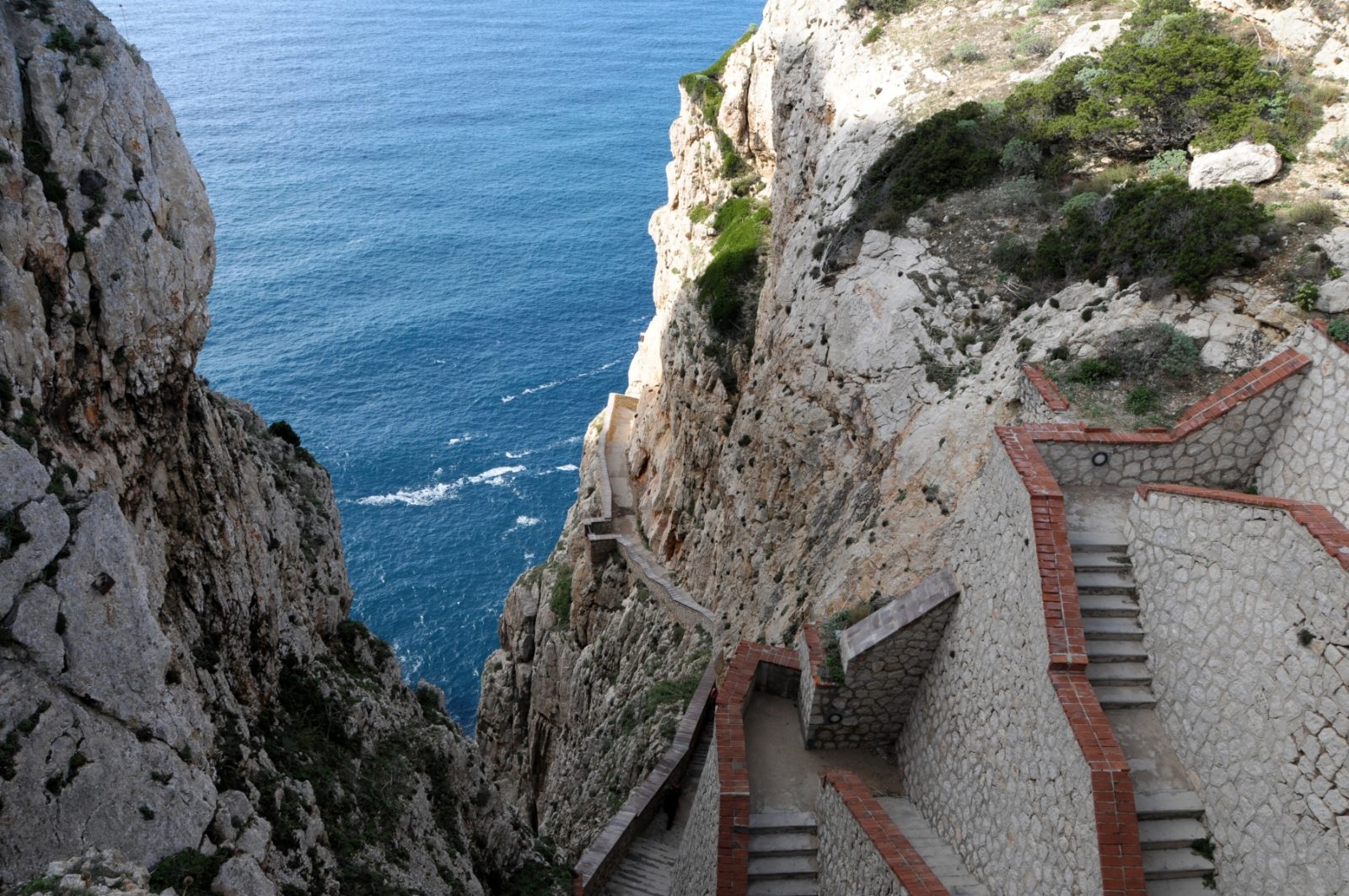
35 min drive
Explore dramatic limestone cliffs and a subterranean marine cave featuring ancient stalactites. It pairs well with a morning boat tour from the marina.
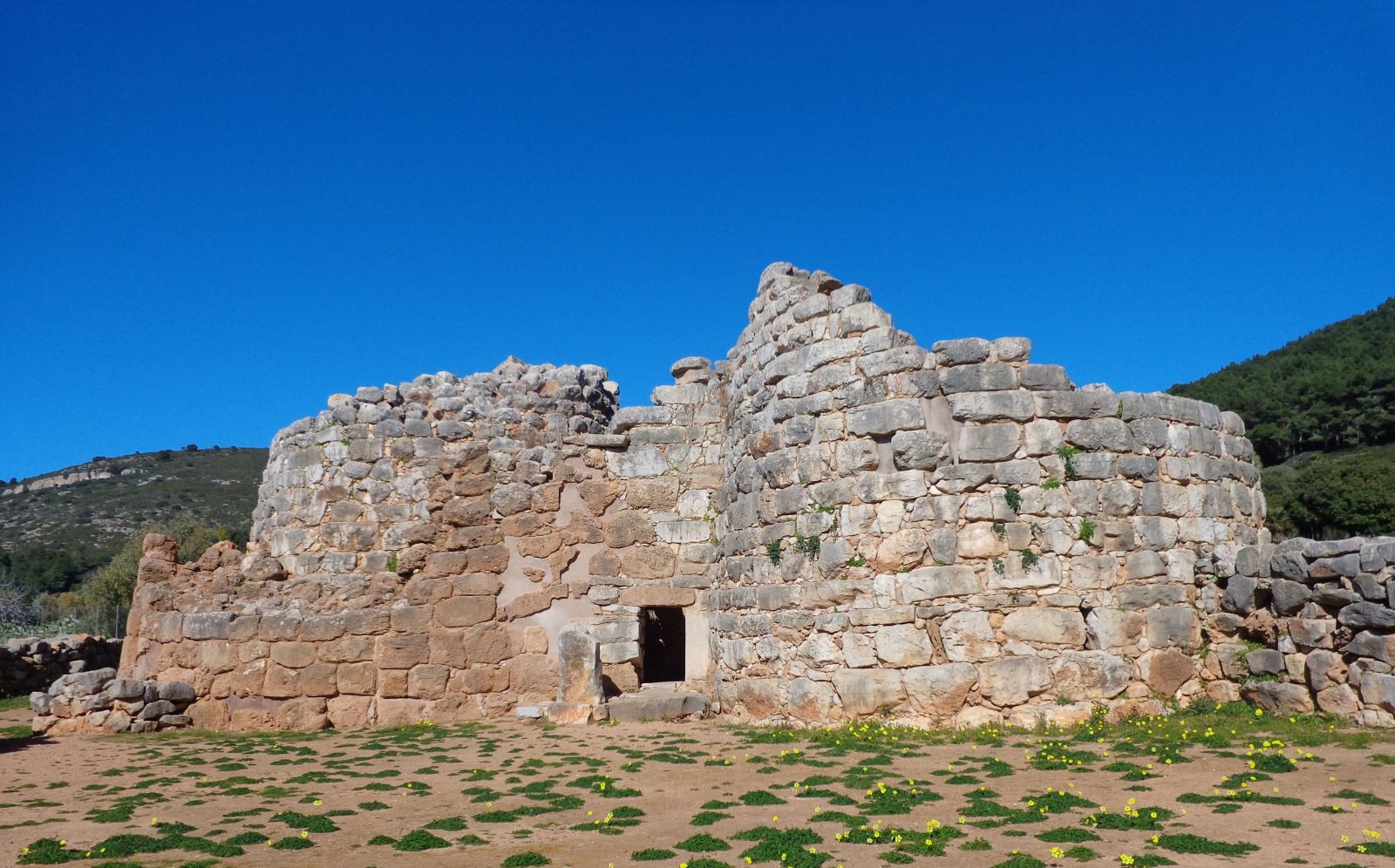
15 min drive
This Bronze Age archaeological complex features stone towers and defensive walls from the Nuragic civilization. It provides a historical contrast to the medieval center.
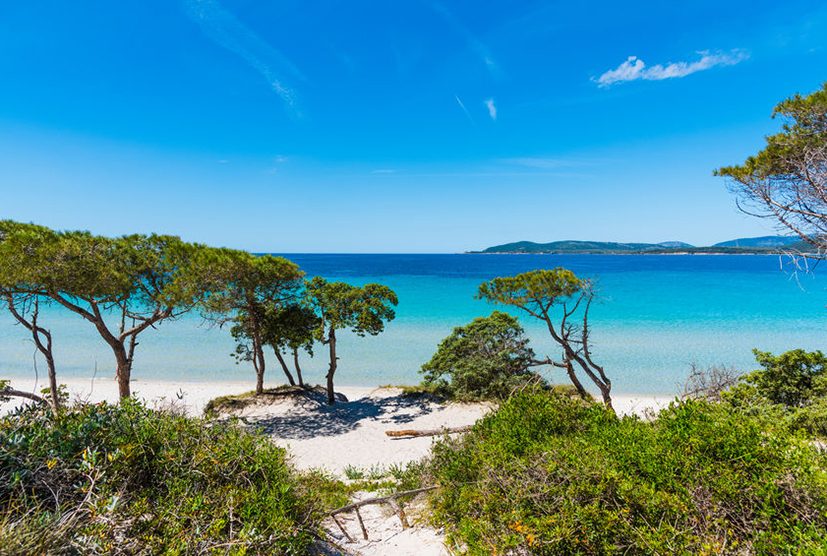
10 min drive
Known for its white sand dunes and shade-giving pine forest, this beach offers calm, shallow waters. It is an easy alternative to the rocky town walls.
Everything you need to know about is alghero worth visiting
Many travelers find that the Catalan-influenced architecture and coastal charm mean is alghero worth visiting for its unique cultural identity. The city offers a distinct blend of history and maritime tradition along the Mediterranean coast.
When considering if alghero worth visiting, many highlight the historic bastions and the preserved old town area. These features provide a deep connection to the island's rich past and regional heritage.
Even with a short stay, is alghero worth visiting because of its walkable historic center and accessible harbor activities. Visitors can quickly immerse themselves in the local atmosphere without extensive travel logistics.
To appreciate the city landmarks, consider a guided excursion or a boat trip to view the coastal geography from the water. Engaging with the maritime environment is a key aspect of any visit to this region.
Families often conclude is alghero worth visiting due to the calm waters, safe pedestrian areas, and the opportunity for dolphin watching excursions. The city provides a relaxed environment suitable for visitors of all ages.
There is no cost to access the city streets and historic quarters, meaning the entrance fee is 0 EUR. You are free to explore the public areas of the town at your own pace.
The recommended arrival window is 16:00–20:00 to enjoy cooler evening temperatures and sunset views along the historic bastions. Planning your arrival during this time helps you make the most of the Mediterranean climate.
Summer travelers often ask if alghero worth visiting during peak heat, and the answer lies in the cooling sea breezes. Evening walks along the harbor front are a highlight for those exploring the city in August.